

Sommer Camp Road
Idaho

Find: Opal, rhyolite, chalcedony, possible thundereggs.
GPS: 43.4656, -116.86577 (start of road)
Nearest city: Boise, ID
Recommended Vehicle: AWD + high clearance, offroad tires are a good bonus.
Season: Accessible year-round, Winter will be challenging if there is snow and mud.
Summary:
The Owhyee Valley is home to a wealth of various rockhounding treasures, including opal.
The coordinates listed take you to the start of Sommer Camp Road. There are numerous opal deposits if you follow the road Southeast and turn down one of the many dirt roads. Be mindful of mining claims, there are many active ones coming and going in this region.
I had most success at the tops of the rolling hills. I looked in the washes for where I was finding opals floating around and traced them up the hills. I would call the opal that I found “potch” opal - meaning it’s lacking the rainbow coloration that’s sought after for jewelry or lapidary work. A more skilled prospector that knows the area may be able to findsignificantly better opal than what I was able to in my first visit.
Wet weather will make access very difficult. I had an AWD V8 with high clearance and still almost got stuck in mud a couple times. Off-road tires are a very good idea here.
Video
Check out the video for a better look at what can be found when exploring this spot.
3 Helpful Tools

Geology Pick
A geology pick was helpful to overturn and pry out buried stones.

Gad Bar
This is my favorite tool I own. I hope to return to this spot one day and do more active digging with a hammer & bar.
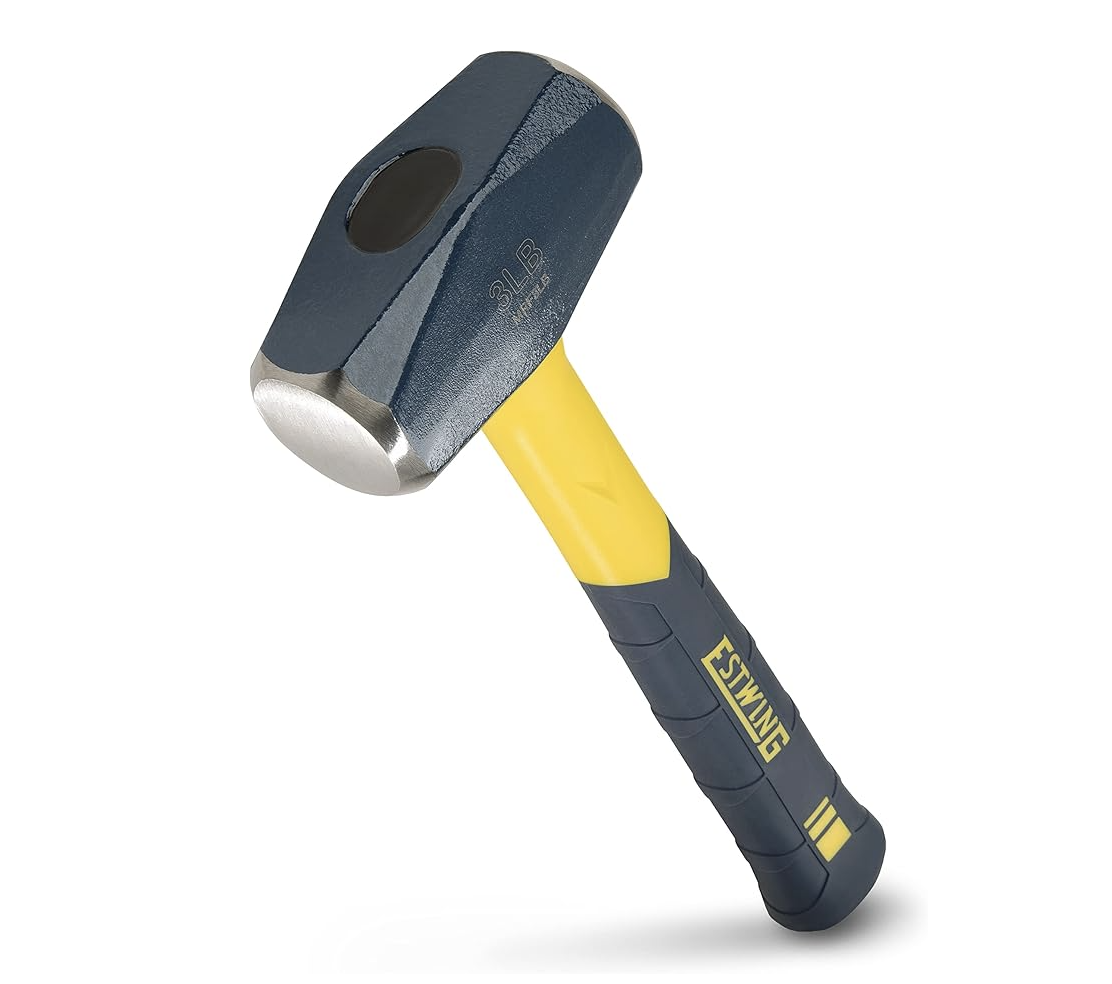
3lb Hammer
A 3lb hammer is my favorite, after testing many different weights and sizes. This pairs great with the gad bar.
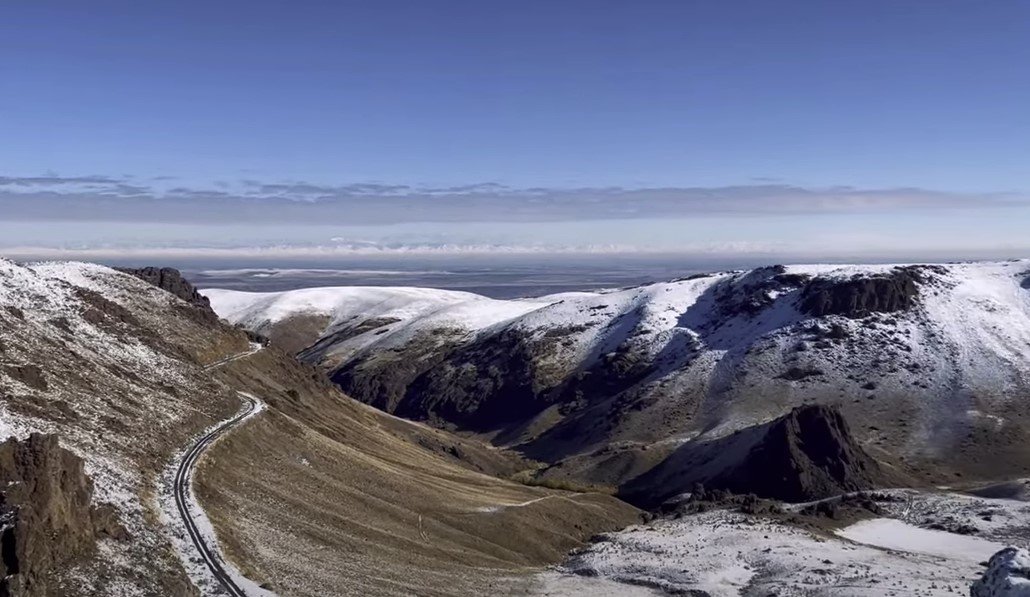
Prepare for possible snow if you visit Idaho in late Fall. Winter will definitely have a high chance of snow coverage. Boise is very cold and windy.
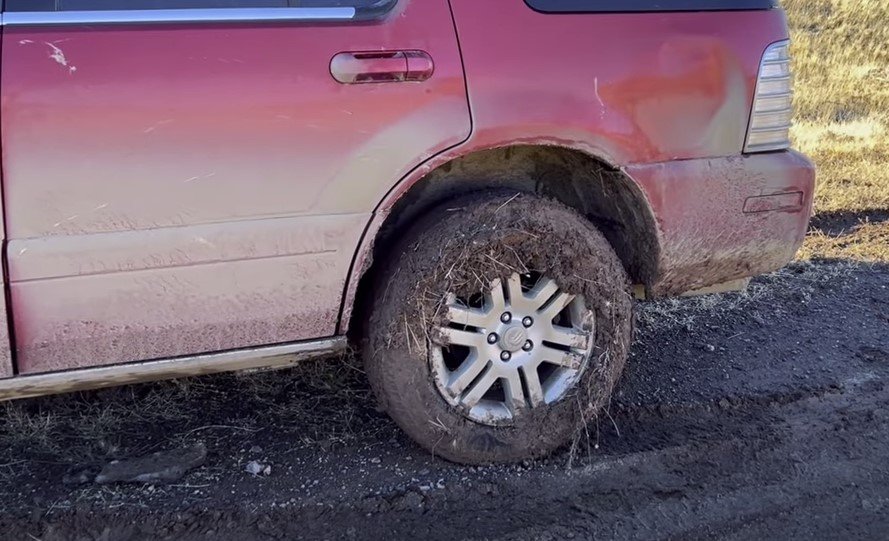
An example of why offroad tires are nice to have. These all-seasons just barely made it out.

You can also find chalcedony/agate formations like this. Thundereggs may be around too, but I didn't come across any.
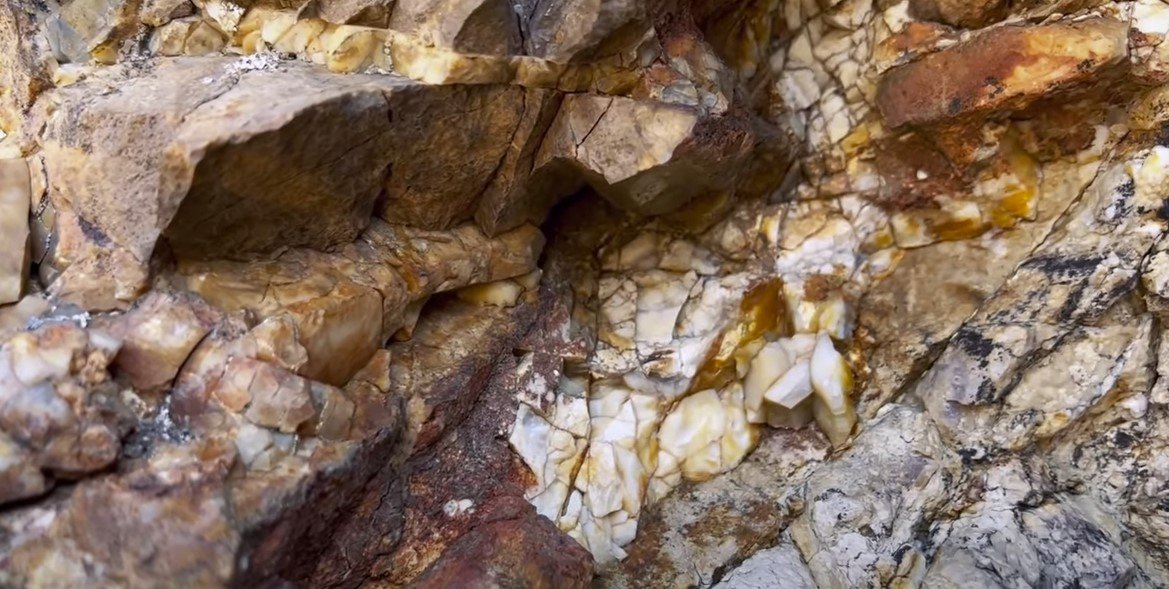
I found the best specimens towards the peaks of the hills, where opal can be found in cracks and pockets within the host rock. (I believe the host rock is rhyolite)

This one is still with me today and I want to give it a good crack with a sledge to see if I have any colorful opal inside.

This is the most colorful piece I was able to find. Again, no rainbows or flashes of color though.
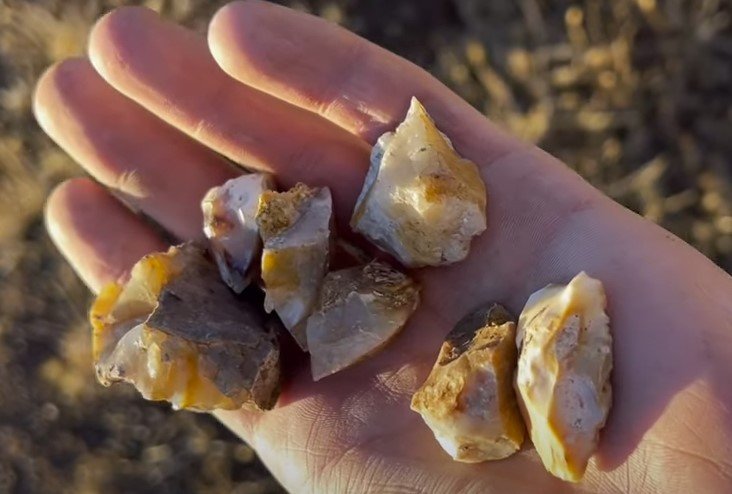
A basic geology pick was enough to split these from the host rock. Wear safety glasses - it behaves just like glass.

Here's one of the floating boulders I freed the small pieces from.