

Presque Isle
Michigan

Find: Amygdaloidal basalt/rhyolite, banded iron formation, unakite, prehnite, Lake Superior Agates
GPS: 46.70851, -89.97313
Nearest city: Ironwood, MI
Recommended Vehicle: Any
Season: Accessible year round, Winter is likely to have significant snow, ice, and frigid temperatures.
Summary:
The Presque Isle area offers an immersive walk through the forest alongside Lake Superior. You will pass by a large scenic waterfall on your way down to access the beach.
The water was very rough here when I visited, leaving me without much visibility when looking down and into the water. I believe that was just weather dependent. However, the shores still provided a wide variety of stones to be found.
Depending on how much the river is flowing outwards into the lake, you may not be able to go across and access the shores to the East.
Video
Check out the video for a better look at what can be found when exploring this spot.
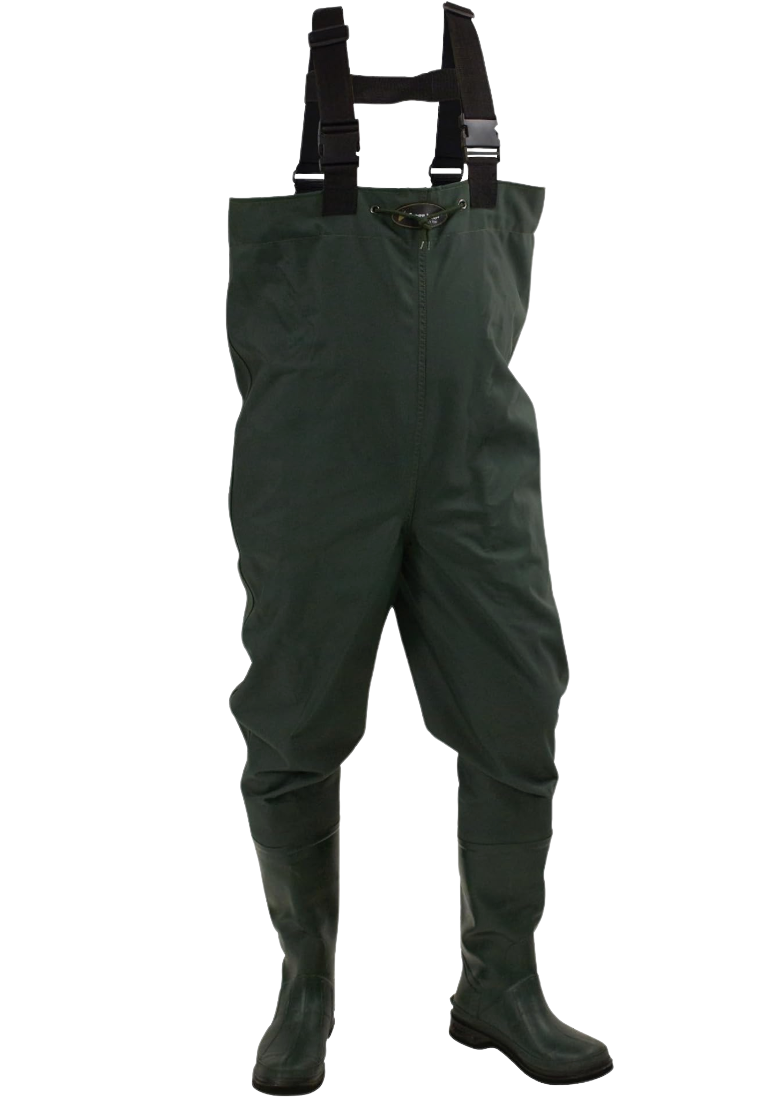
3 Helpful Tools
Chest Waders
Chest waders are great to stay dry if you want to get in the lake.

Agate Scoop
An agate scoop is helpful to pick things up faster and farther away from you.

Classifier
A classifier is fun to sit with if you’re a fan of small agates and stones. One with a larger, 1-inch mesh would be what I’d pick.

A majority of the trail here is packed gravel with boards at the edges.

Even if you don't make it down to the beach, the waterfalls are what most people visit this spot for.
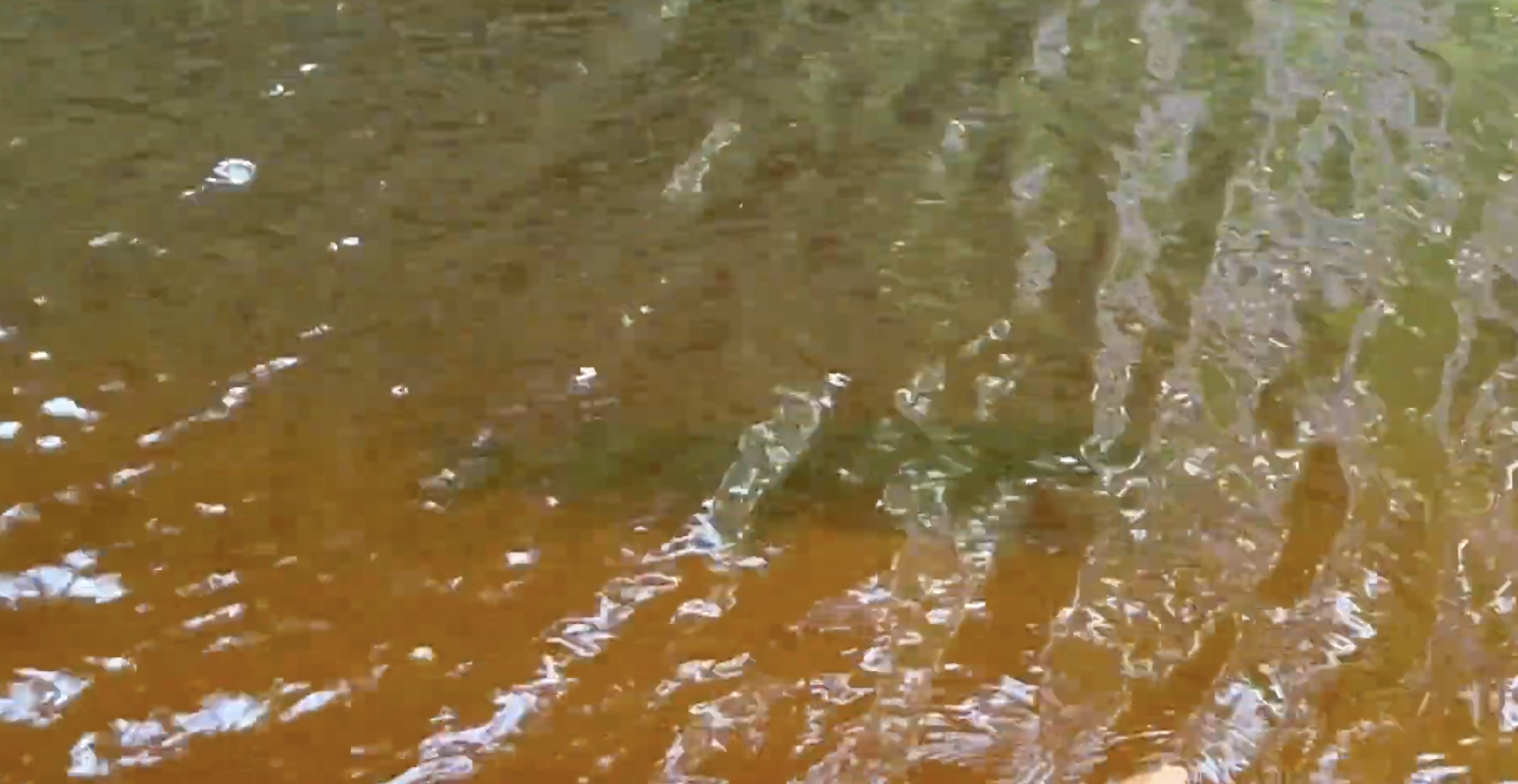
Not a clear photo, but ran into a decent sized Northern Pike sitting just a couple feet from shore in the river after the waterfall.
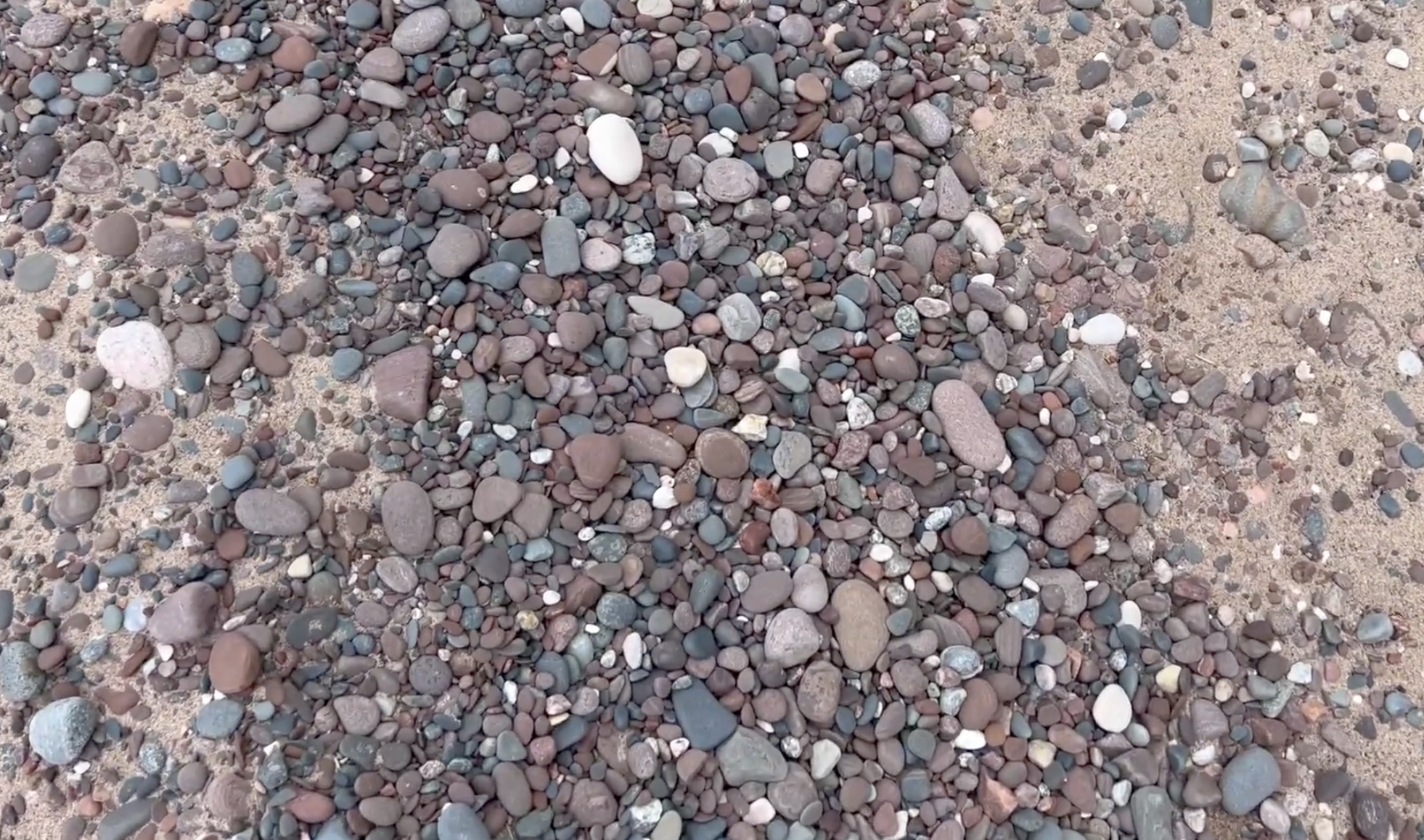
Here's what the mix of rocks down here looked like. The beach was about half sand, half stone when I visited. (That can change over time)
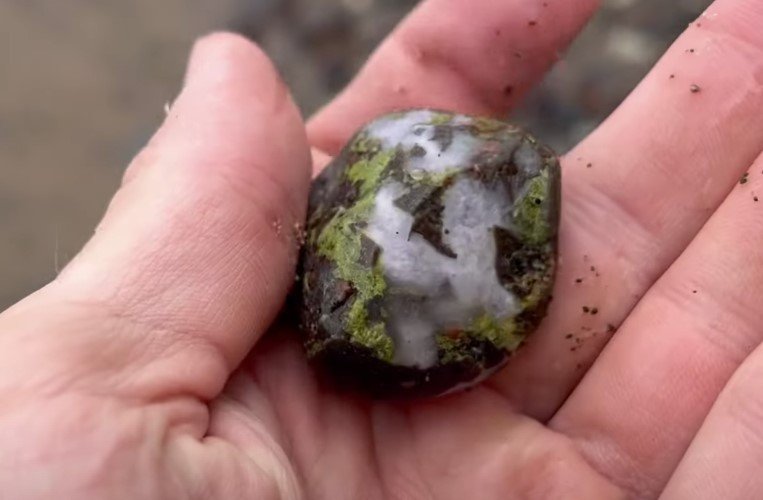
I believe this is calcite (white) + epidote (green). There were some interesting pieces of epidote here too.
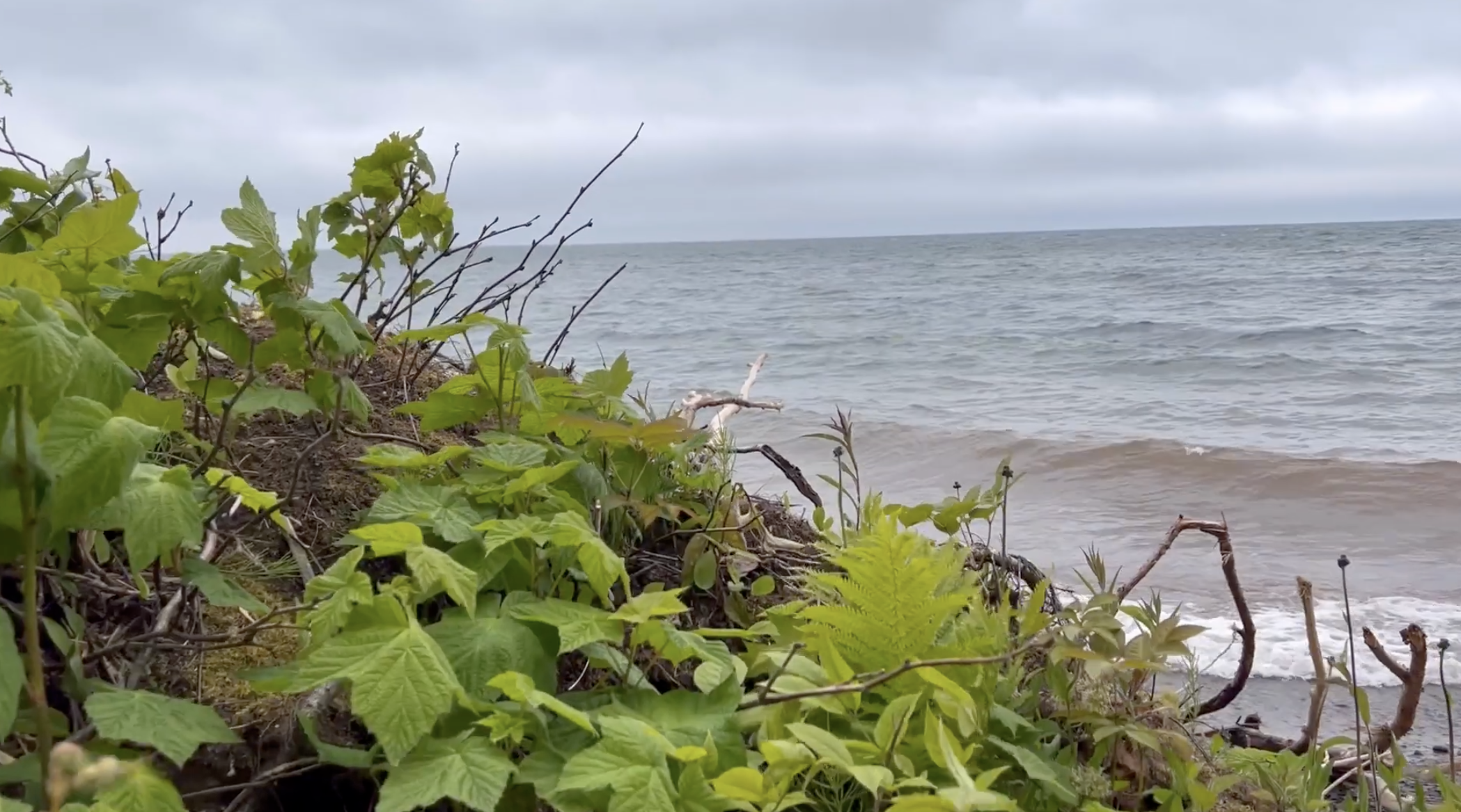
It feels a little like the Pacific Northwest up here, especially if it's cloudy.
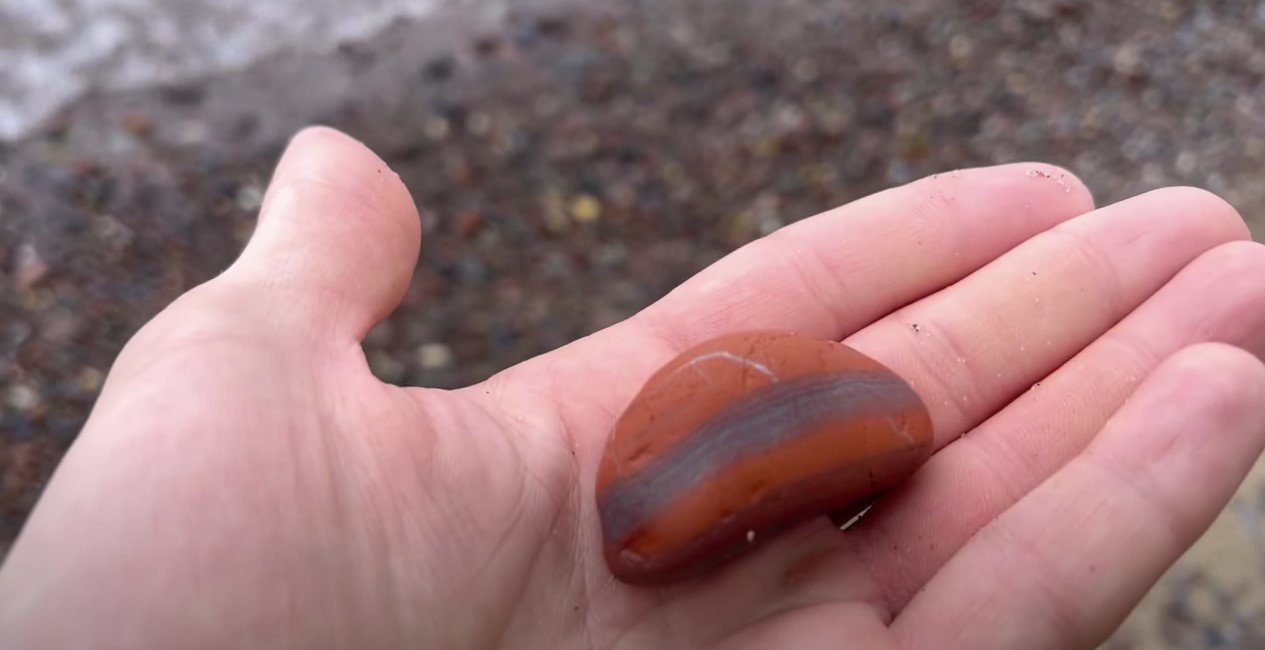
A lake-smoothed piece of banded iron.

There's ongoing debate about what the pink rocks like this are in the Upper Peninsula. It looks similar to Minnesota's thomsonite, but may be something different known as patricianite.